Less pressure on parts.
Lower molding pressure can help protect sensitive electronic parts, solder joints and connectors during molding.
Darbond low-pressure molding (LPM) materials cover and protect cable joints, connectors and electronic parts. Choose a softer or firmer material to suit your product.
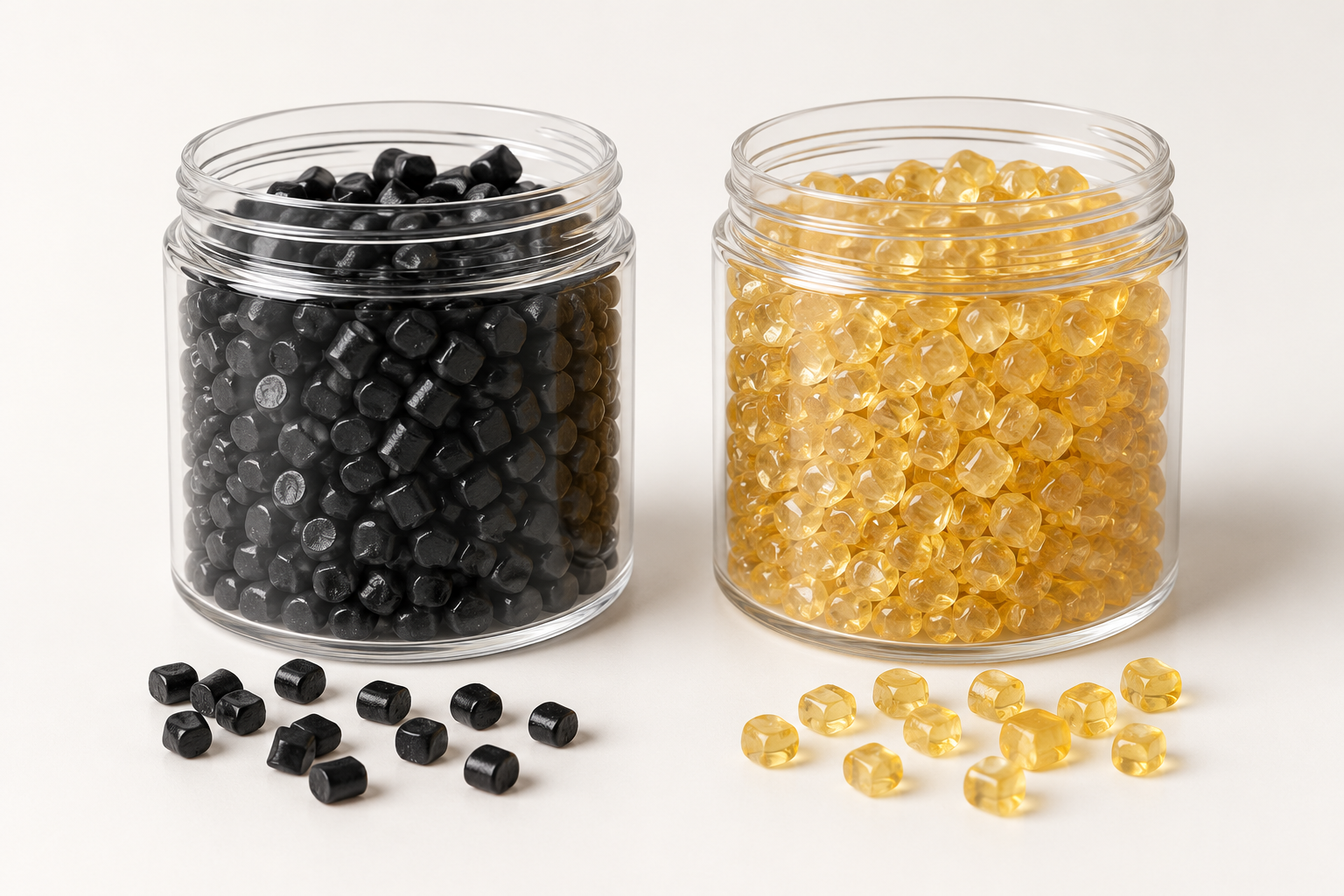
One material. Melt it, mold it, then let it cool. No A/B mixing or chemical curing.
The material, mold and machine work together to protect your product.
Lower molding pressure can help protect sensitive electronic parts, solder joints and connectors during molding.
One molded cover can protect the joint, provide insulation and support the cable where it bends. This may reduce the number of separate protective parts.
Use one hot-melt material, with no mixing or chemical curing. Handle the molded part once it has cooled enough.
Tell us what the part does, how it moves and where it is used. We can then discuss the material and mold design.
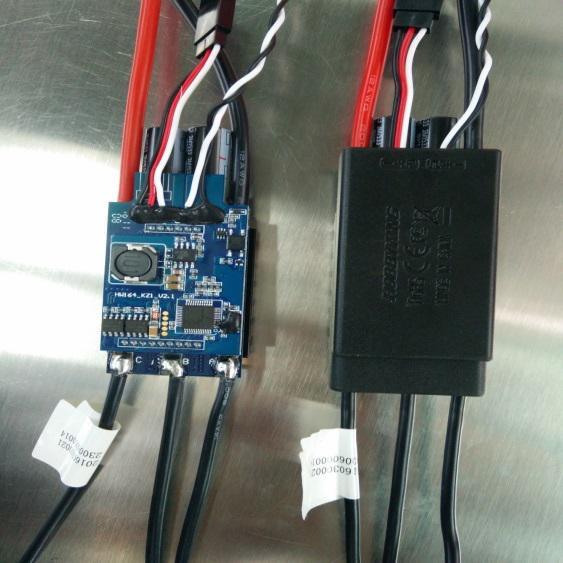
Support the cable where it leaves the connector. Check how well the material bonds and how the part handles pulling and bending.
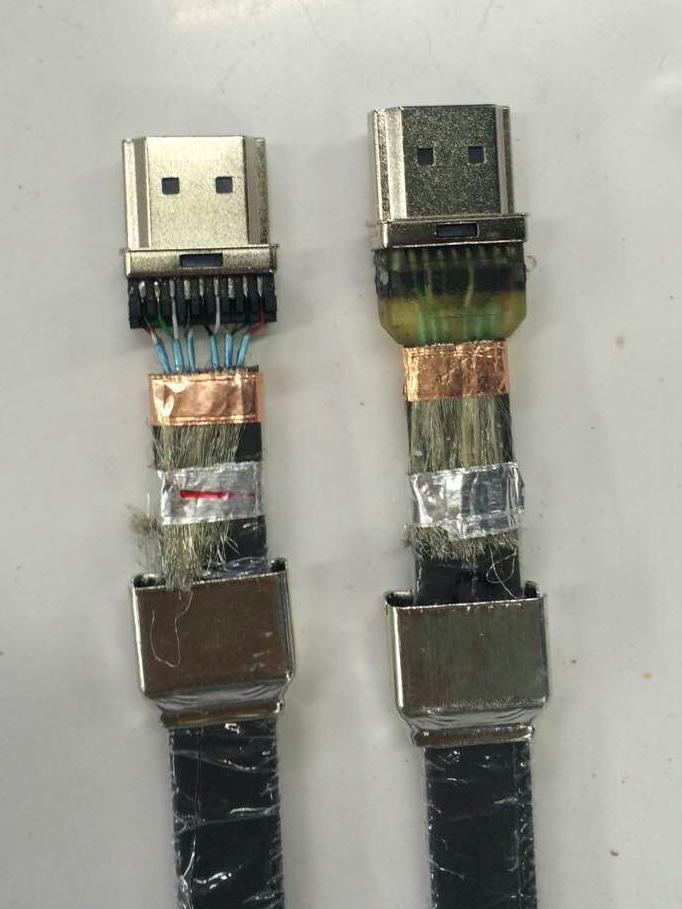
Cover solder joints and small circuit boards inside connectors. Check bonding to the cable jacket and housing, and test electrical performance.
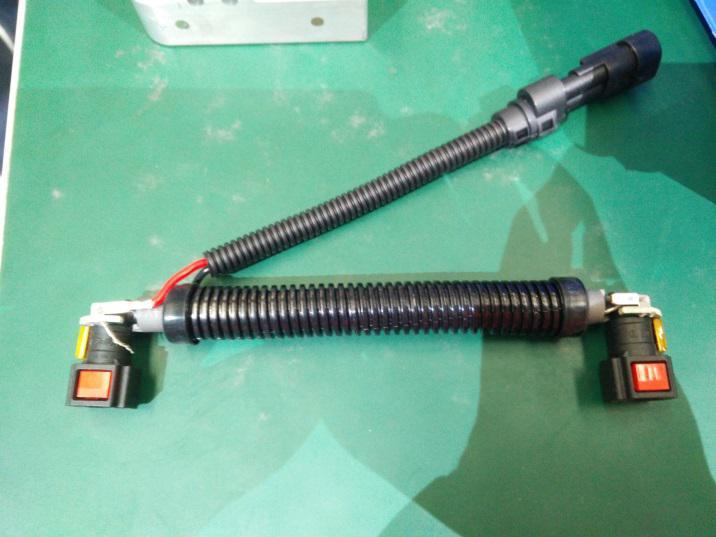
Check changes in temperature, vibration, fluid contact and sunlight. Choose a material that passes the tests your product needs.
Photos show application examples. Test the suggested materials on your own parts before final selection.
Hardness is only one factor. Also check bonding, part shape, temperature and the forces on the part.
A softer molded cover may suit cables that move or bend. Test repeated bending, pulling and bonding on the actual part.
A firmer material may suit covers that need to hold their shape. Check impact resistance, fit and operating temperature.
Shore A and Shore D are different hardness scales. Do not compare their numbers directly. Hardness alone does not tell you how stiff a part will be or what temperature it can withstand.
Compare typical properties and possible uses. Check the latest technical data sheet (TDS) for each material before choosing.
Showing 9 grades
These are typical values. Viscosity is measured at the temperature shown, so values at different temperatures cannot be compared directly. Softening point is not the maximum operating temperature. The listed storage reference for the HM101–HM108 materials shown here is 24 months at 8–28°C. Check the current TDS and packaging instructions.
If these problems sound familiar, LPM may offer a simpler way to protect and position your cables.
Tape, sleeves and separate covers can add manual work.
How LPM can helpCombine protection and shaping in one molding step, where suitable.
Uneven cable spacing can make assembly more difficult.
How LPM can helpA molded wire retainer helps keep cables organized.
Pulling and repeated bending can put stress on cable connections.
How LPM can helpAdd molded support around the joint or cable exit. Test grip and bending on your part.
Hand-applied protection can vary from operator to operator.
How LPM can helpA defined mold helps produce a consistent shape.
Mixing and curing can add steps and waiting time.
How LPM can helpHot-melt LPM sets by cooling, without a chemical curing step.
Material suitability, cable grip and protection depend on the design and require testing.
See the sample ideas ↓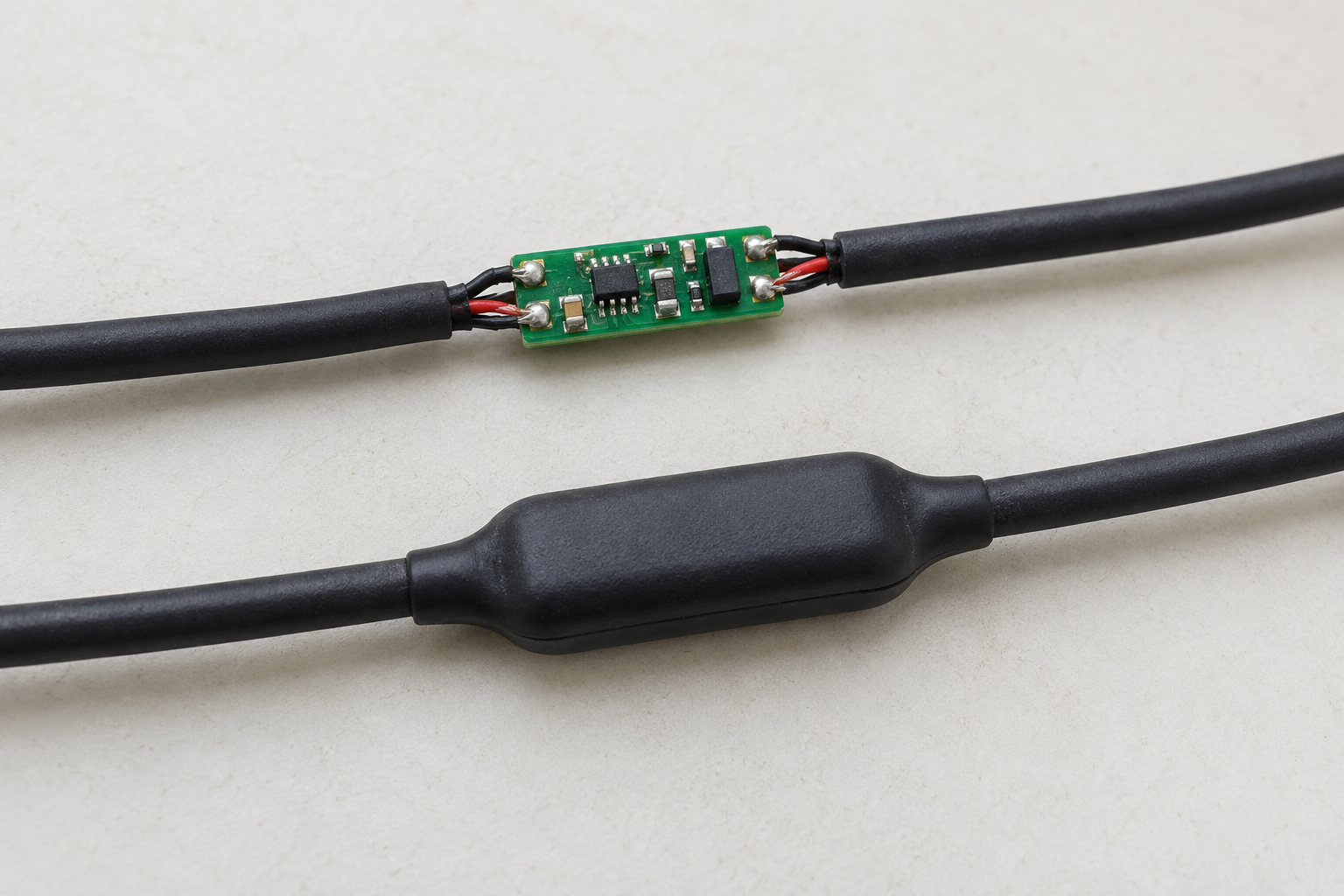
Before and after molding: cover the board and wire joints in one compact part.
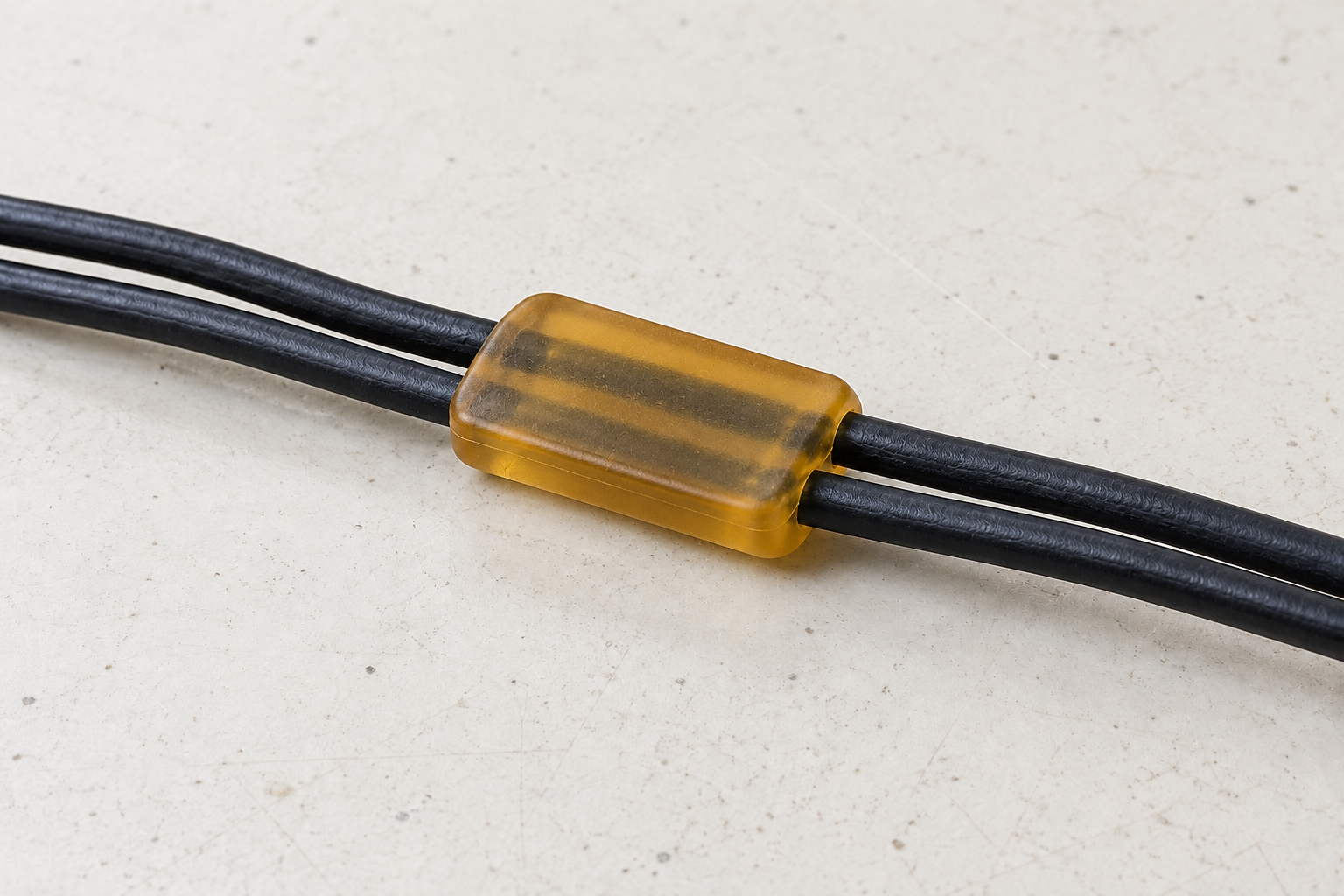
A small molded retainer helps keep two cables positioned together.
Illustrative images, not customer products. Final shape and performance depend on the material, mold and testing.
Send a photo, your cable material and your requirements. We can help assess a suitable LPM material.
Send your enquiry through Glue Finder. Mention “Darbond LPM free sample”.
Send a drawing or describe your sample. Tell us the cable-jacket material, connector material and where the part will be used.
Tell us the bonding, hardness, flexibility, electrical and temperature requirements.
Plan how the material enters and fills the mold, how air escapes and how the part is held in place.
Agree on pass/fail limits. Test molded samples under the conditions your product will face.
Tell us what you need to protect, how it moves and where it is used. We can help you choose materials to test.
NOTE: This page shows only part of the Darbond LPM range. Contact us for your specific application or material requirement.
Not sure which material to choose?
Get help choosing a material ↗via Glue Finder · opens in a new tabEmail us the part materials, key requirements and expected quantity. Add a drawing or photo if you have one.
No. A harder cover may hold its shape better. A cable that bends may need a softer material. Also check bonding, part shape, forces and operating conditions.
LPM may work where one molded cover can provide both protection and support. Check production quantity, mold cost, material bonding and required tests. Compare the processes using actual parts.
No. Softening point comes from a specific material test. Check the TDS for operating limits, then test your part at the temperatures and loads it will face.
Results depend on the material, surfaces, part design and molding process. Check the material documents for the flame rating you need. Test sealing on the finished part.
Long Shine can provide the LPM machine, custom mold and Darbond resin for your application.
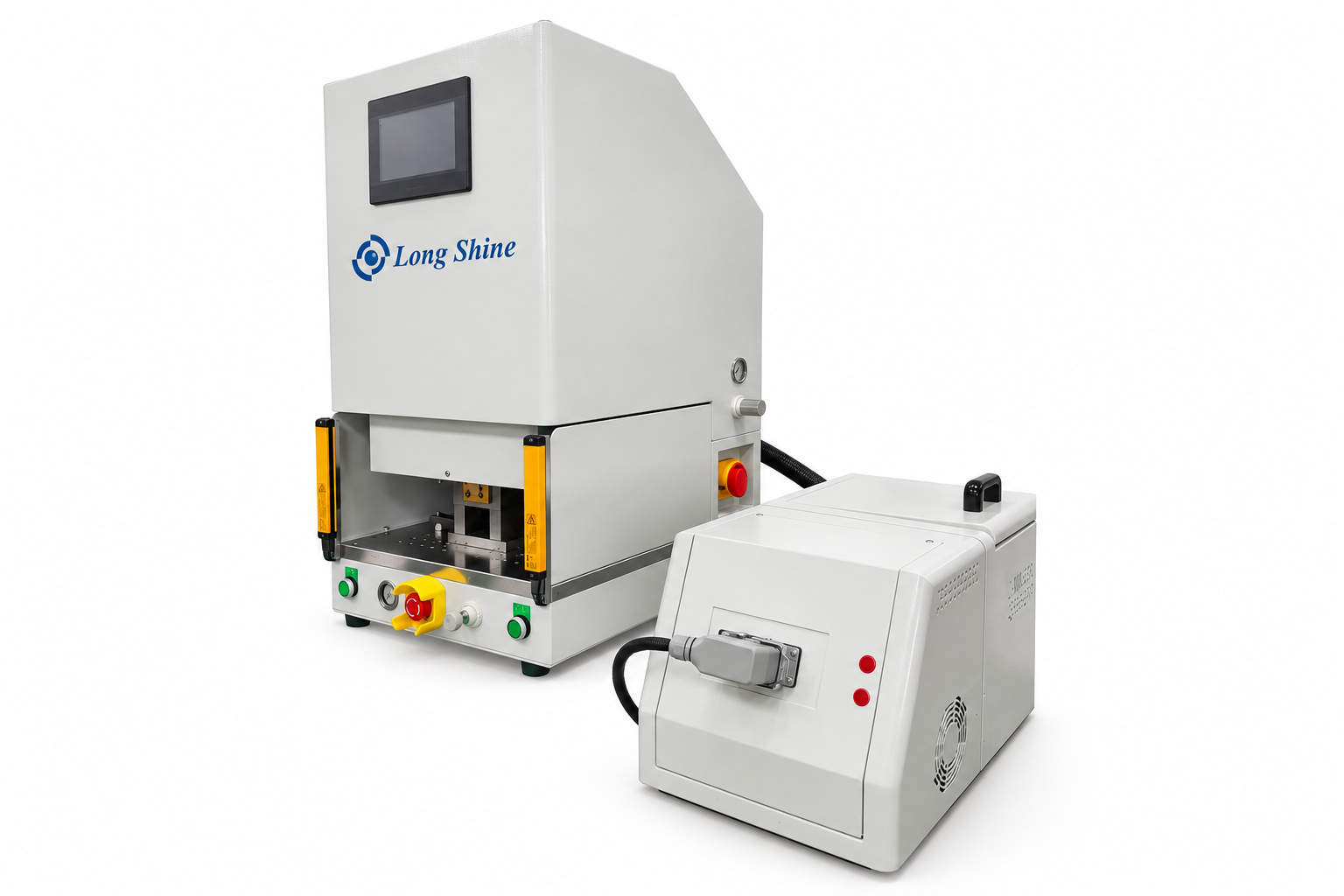
Equipment to suit your molding process.
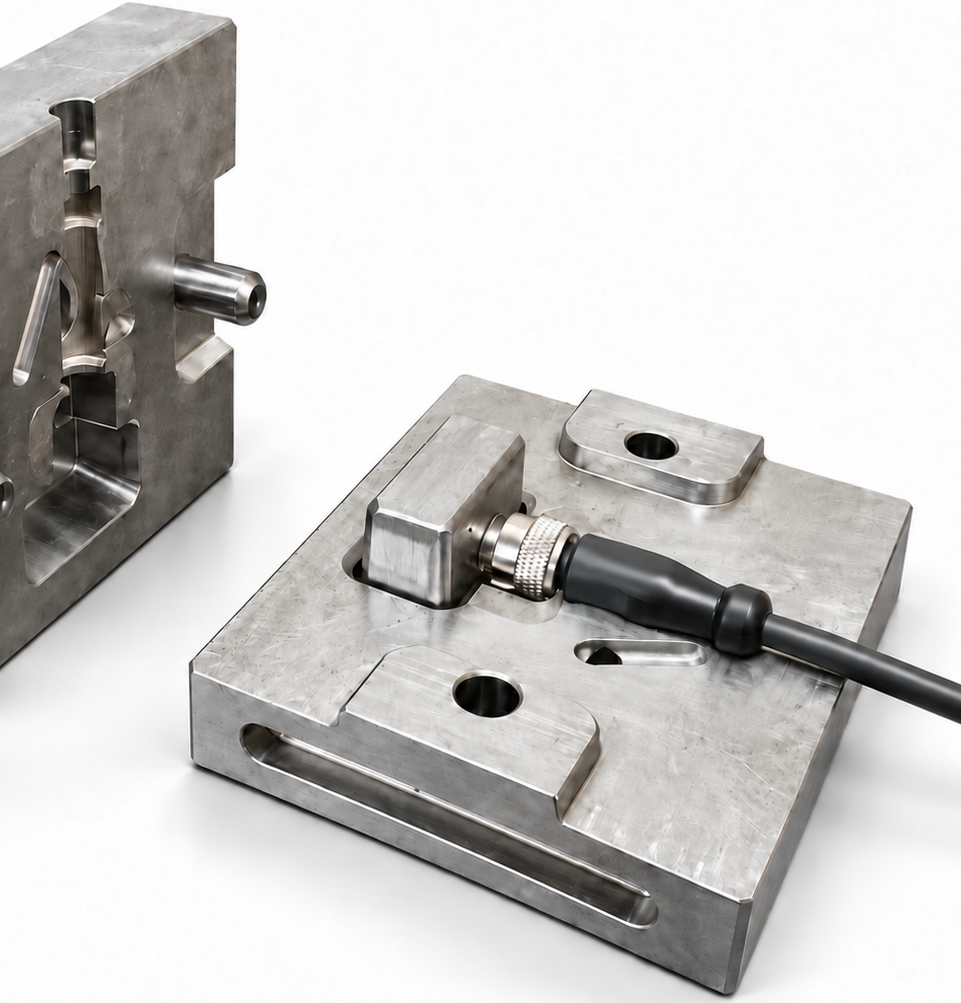
A mold designed around your part.
Material selection for your requirements.
Share your part, cable material and production needs with Long Shine.
Images for reference. Final equipment, mold and resin are selected for your application.